How We Approach Interpersonal Conflicts: Style or Skill?
Tamara Džamonja Ignjatović
Department of Psychology, Faculty of Philosophy, University of Belgrade
Although extensive theoretical and empirical knowledge exists on interpersonal conflicts and their resolution, those insights are insufficiently applied in practice and everyday life. The current context of pervasive violence and deep social polarization underscores the importance of advancing our understanding of the factors that facilitate or hinder constructive approaches to conflict.
Within the framework of the ICARS project, we conducted a comprehensive cross-cultural study examining the factors that predict various conflict resolution strategies. Basic personality traits from the HEXACO model, complemented by the Disintegration disposition, along with additional variables such as social competencies, specific beliefs and attitudes, perceptions of parenting styles, need for cognitive closure, and emotional regulation, were included in the study. The research also aimed to compare the prevalence of these strategies and contributions of their predictors among young adults from Italy and Serbia—two geographically proximate European countries that differ in history, tradition, religion, and their positions along the individualism–collectivism continuum.
The results confirmed the significant influence of specific personality traits as key predictors of distinct conflict management strategies, with similar effects observed across cultures. Other factors, more strongly shaped by societal context, also affected responses to conflict situations but contributed less to the overall prediction.
The findings may inform the creation of evidence-based educational programs aimed at fostering cooperation and constructive conflict resolution, emphasizing the importance of considering relational and contextual factors in addition to individual contributions, which should not be overlooked.
Keywords: interpersonal conflicts, conflict resolution strategies, personality traits, communication skills
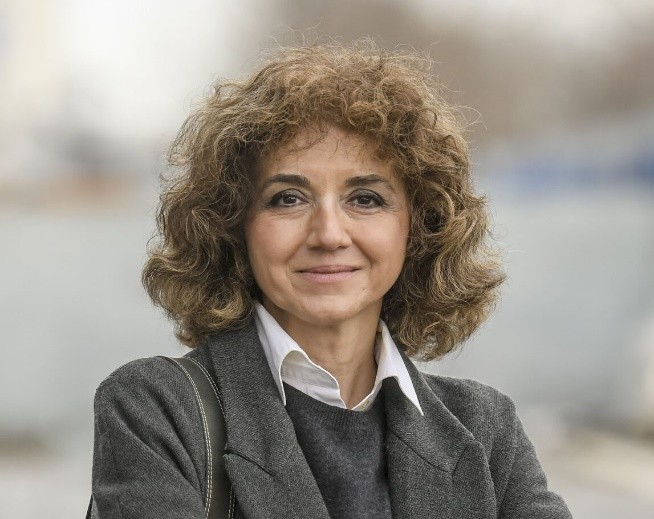 |
Prof. Tamara Džamonja Ignjatović, PhD is a full professor of psychology and a specialist in medical psychology at the Department of Psychology, Faculty of Philosophy, University of Belgrade. Her professional interests include clinical psychology, mental health, personality assessment, psychotherapy, and mediation.
In her efforts to bridge psychological science and professional practice, she has taken part in numerous scientific and applied research projects focused on personality disorders, interpersonal conflicts, community mental health, etc. She is the author and co-author of several publications, book chapters, and numerous scientific papers. Beyond academia, she actively promotes mental health awareness through media and public engagement. Prof. Džamonja Ignjatović is the president of the Serbian Psychological Society, a member of the editorial board of the Psychological Research journal, and the editor of the IMAGO psychology library at Clio Publishing House. She has received several professional awards, including the Živorad Žiža Vasić Award, the Ljuba Stojić Award, and the Ethic of Care Award by the BeFem organization. |